Empowering Educators. Transforming Classrooms.
Faculty development for a brighter African future, through immersive training and innovation at MIT.

A Word from the Founder.
The MIT-ETT programme was established under MIT’s International Science and Technology Initiatives (MISTI) to transform science and engineering education in Africa. Our vision is for students to ‘graduate ready for the demands of today’s job market, equipped with hands-on problem-solving and critical thinking capabilities.
Professor Akintunde Ibitayo Akinwande
Faculty Director, MIT-ETT Programme
Welcome from the Chairperson.
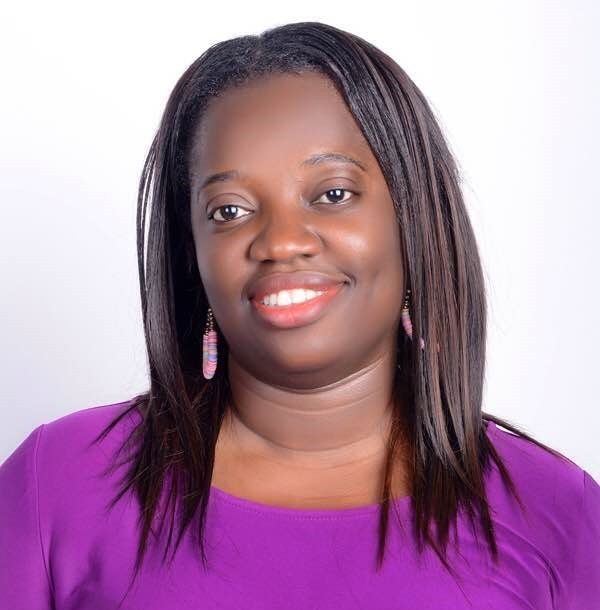
It is my honour to welcome you to AMTAUL, the Association of MIT-Trained African University Lecturers. We are a vibrant community of MIT-ETT Fellows, united to carry the program’s vision forward in Africa.
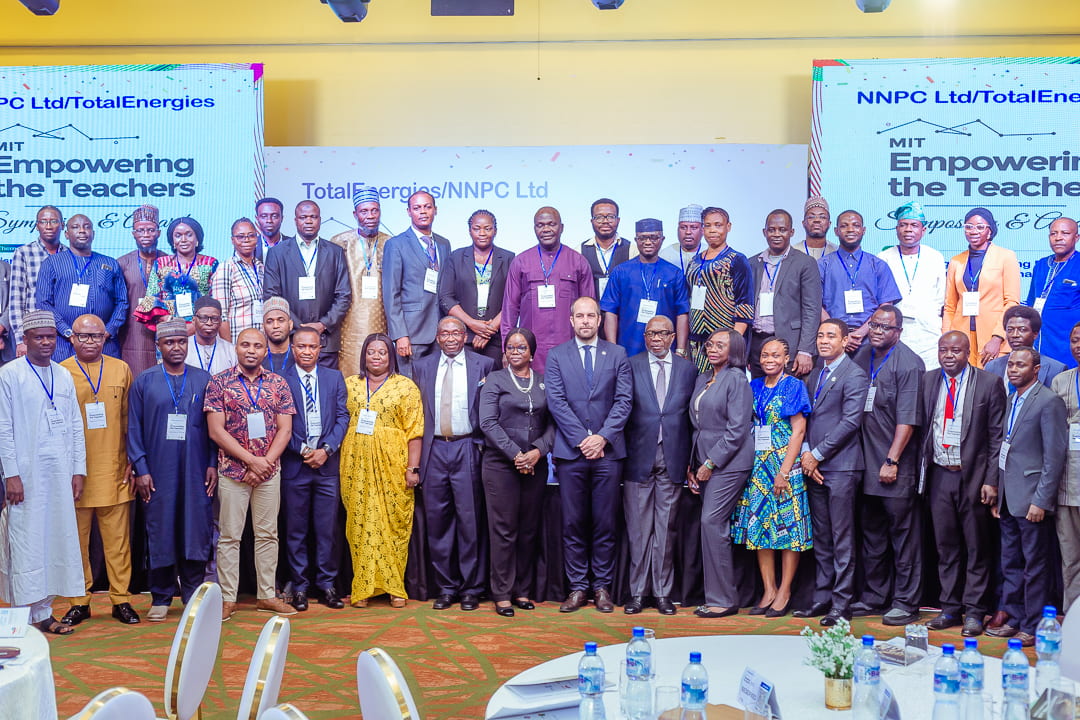
Our mission is to amplify our collective impact through collaboration and educational excellence. We are grateful for the support of our partners, NNPC Ltd. and TotalEnergies EP Nigeria.
Assoc. Prof. Chika Yinka-Banjo
Chairperson, AMTAUL
What is the MIT-ETT Program?
The MIT-Empowering the Teachers (MIT-ETT) program fosters innovation in science and engineering education in Africa. By engaging early-career faculty in a semester-long teaching fellowship at MIT, the program strengthens student-centered learning, research-led instruction, and global collaboration.
60+ fellows trained
More than 60 early-career faculty members from Nigeria’s top science and engineering institutions have completed the MIT-ETT Fellowship. Each fellow leaves MIT with transformative ideas, hands-on strategies, and renewed commitment to elevate education across Africa.
30+ Nigerian universities
Fellows hail from over 30 leading Nigerian universities, creating a powerful nationwide network of educators who are reshaping how science and engineering are taught from Lagos to Kano, Port Harcourt to Zaria.
7000+ students impacted
Through redesigned courses, new labs, and innovative teaching techniques, ETT Fellows have directly impacted more than 7,000 students. These students are learning to think critically, design solutions, and lead the future of African innovation.
Fellowship Highlights
Recent initiatives and contributions led by our alumni.

Dr. Victor Odumuyiwa
University of Lagos
Fall 2013 Cohort
Played a leading role in adapting and mobilizing MIT’s emergency ventilator project (E-Vent) for use in Nigeria during the COVID-19 pandemic. He currently serves as the Director of the NITDA IT Hub at the University of Lagos, where he leads digital innovation initiatives and contributes to national education planning efforts.
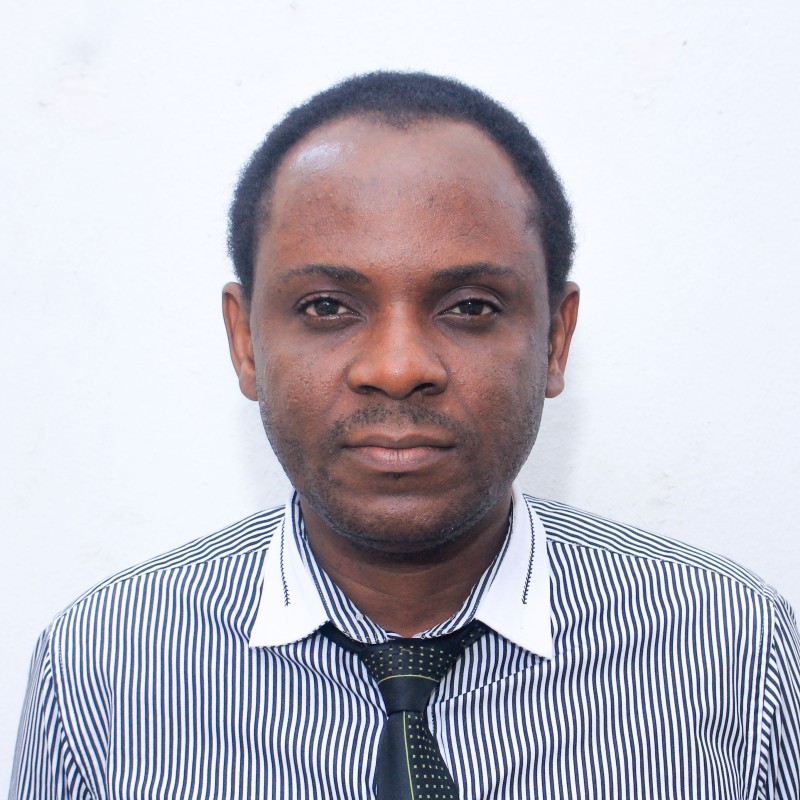
Dr. Ayorinde Bamimore
Obafemi Awolowo University
Spring 2024 Cohort
Developed a laboratory-scale three-tank process control system that allows students to gain hands-on experience in chemical process engineering. His approach emphasizes experiential learning and has enriched the university’s curriculum in systems and process control.
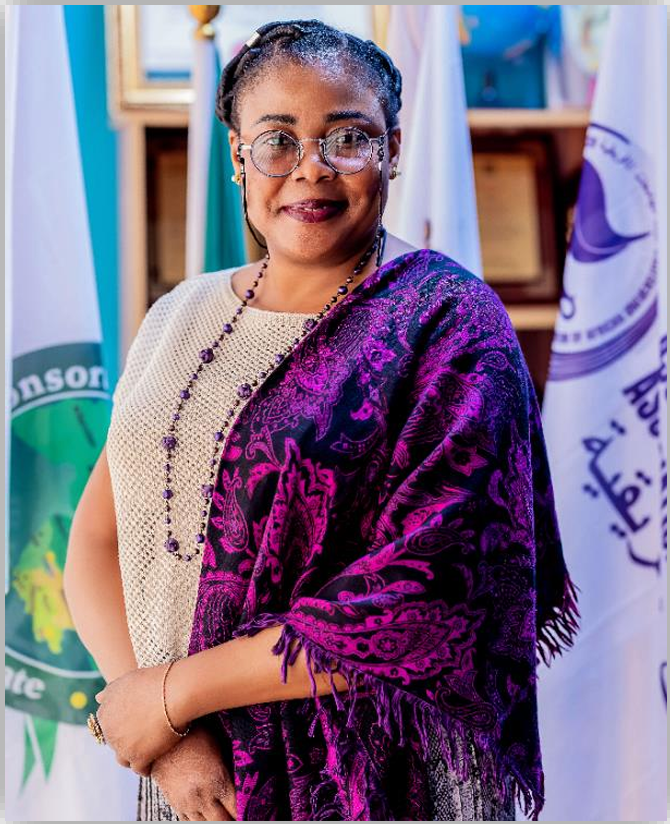
Prof. Francisca Oladipo
Thomas Adewumi University
Spring 2014 Cohort
As Professor of Computer Science and Vice-Chancellor of Thomas Adewumi University, she bridges the gap between academic research and real-world practice by deploying scalable AI solutions for emerging economies. She also serves as Vice-President of VODAN Africa, where she leads the development of Afrocentric data systems to ensure data ownership in residence.
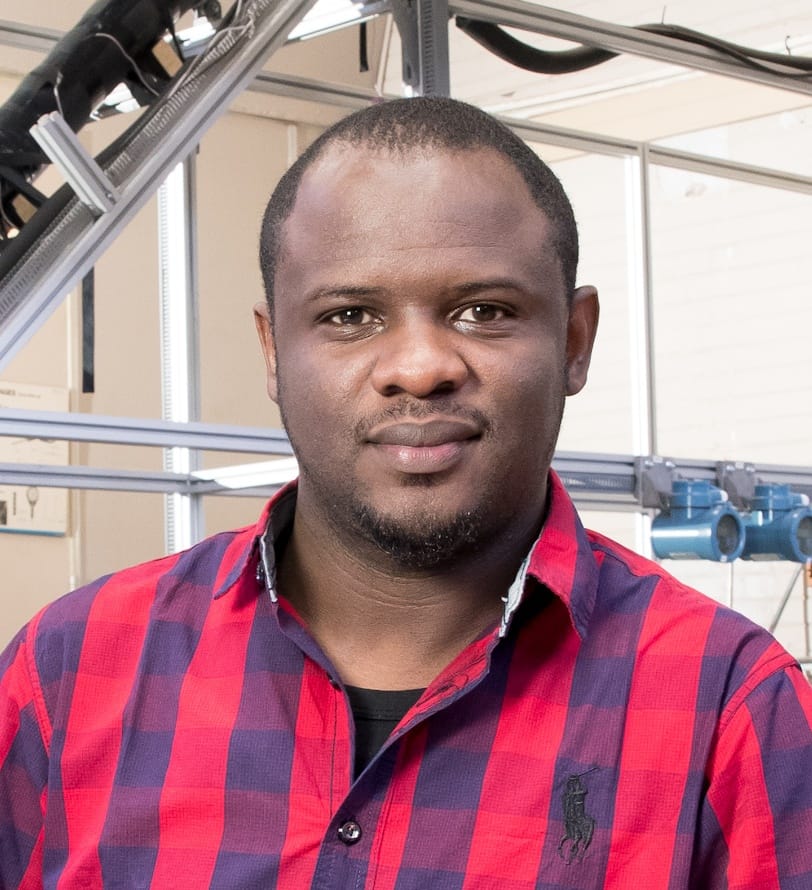
Dr. Abubakar Idris Bashir
Bayero University, Kano
Fall 2022 Cohort
Introduced entrepreneurial thinking and prototype development into his teaching methods after completing the ETT program. He has actively encouraged his students to develop practical solutions to real-world problems and has supported them in launching early-stage innovations within his university environment.
“A mind that is stretched by a new experience can never go back to its old dimensions. Indeed, the ETT experience has stretched me beyond the yield point and given me new perspectives about teaching. Just like it’s difficult for a stretched elastic to return to its original state, so it is for me to return to old ways of teaching and research.”

Dr. Aderonke Busayo Sakperer
Spring 2022 Cohort