
Empowering the Teachers (ETT) Program
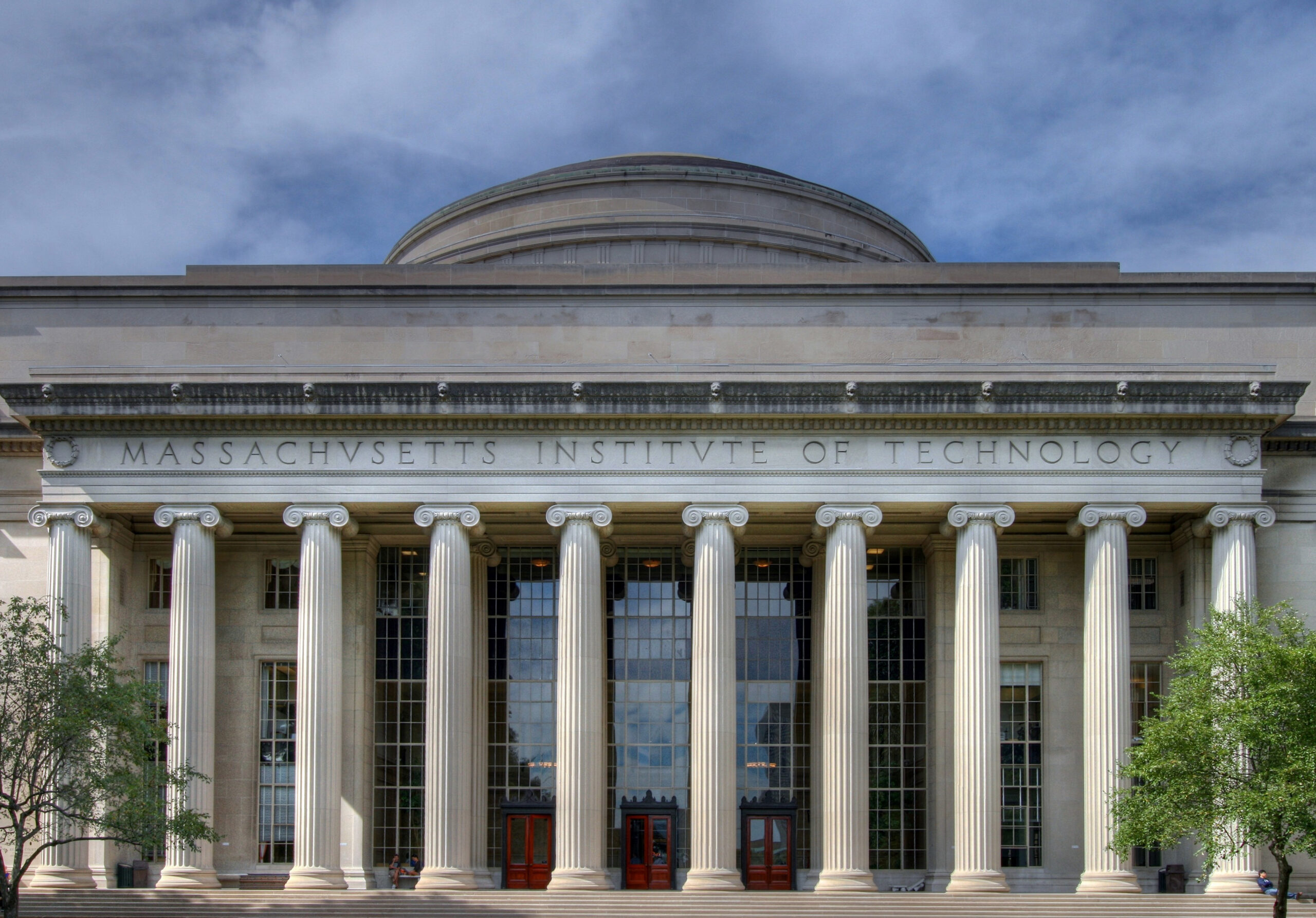
The MIT-Empowering the Teachers (ETT) program is an intensive semester-long teaching engagement hosted by the Massachusetts Institute of Technology (MIT), designed for early-career faculty from African universities, particularly Nigeria. Led by Professor Akintunde Ibitayo Akinwande of MIT’s Electrical Engineering and Computer Science (EECS) Department, the program equips outstanding educators with the tools, mindsets, and experience to transform science and engineering education across Africa.
Our Association: AMTAUL
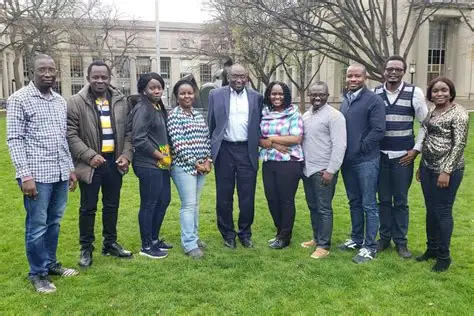
The Association of MIT-Trained African University Lecturers (AMTAUL) was founded to carry the vision of the ETT program forward. We are a network of ETT Fellows united by a commitment to educational excellence, innovation, and collaboration. The network was formally inaugurated in Lagos in 2017 and registered as AMTAUL in 2018.
AMTAUL: Our Mission
- Promote continuing professional development of its members.
- Promote collaborations, linkages and partnerships among its members and with other institutions and organizations.
- Render services to the society by sponsoring good policies relating to science and engineering education.
- Organize programs to promote quality higher education.
- Promote research and innovation among its members.
- Disseminate grant-related and other relevant information and support new fellows.
Our Vision in Practice
- Our vision directly addresses the gap between traditional, lecture-based teaching and the skills needed for today’s job market. Too often, students graduate without the hands-on experience to solve real-world problems.
- “Quality education” to us, means student-centered, problem-based learning. We shift the focus from just “remembering facts” to a system where students learn to analyze, evaluate, and create.
- AMTAUL acts as the vehicle to spread these methods. We are an active network that supports fellows, influences university policy, and ensures the impact of the MIT-ETT program grows across Africa.
FAQs
Who is eligible to apply for the MIT-ETT Fellowship?
Early-career faculty from African universities, typically in science, engineering, and related fields. Most participants are within 5–7 years of completing their PhD.
What does the program cover?
- Participation in seminars and lab activities
- Travel and living stipends are supported by NNPC Ltd. and TotalEnergies EP Nigeria, the program’s generous sponsors.
- A semester-long teaching residency at MIT
- Curriculum development workshops
- Mentoring and support from MIT faculty
What do fellows do after the program?
- They redesign existing courses or develop entirely new ones, grounded in student-centered pedagogy and real-world problem-solving.
- They implement fresh teaching strategies learned during their time at MIT.
- They train colleagues in their departments, helping to cascade the ETT approach across their institutions.
- They join and contribute to a growing alumni network that spans over 30 Nigerian universities.
- Many have gone on to influence national education policy, launch educational startups, or lead curriculum reform efforts in their departments and faculties.
What is AMTAUL and what is its mission?
The Association of MIT-Trained African University Lecturers (AMTAUL) was founded to carry the vision of the ETT program forward. Its mission is to promote quality higher education in Nigeria and Africa at large by fostering collaboration, professional development, and the dissemination of innovative teaching methods.
How can my university or organization get involved?
We actively partner with Nigerian universities and other organizations to identify faculty and scale our impact. If your institution is interested in collaborating, nominating faculty, or learning more, please reach out to us via our ‘Contact’ page.
What is the time commitment and location of the fellowship?
The core of the program is an intensive, semester-long teaching engagement and residency at MIT in Cambridge, Massachusetts, USA. Fellows are fully immersed in the MIT environment, attending seminars, and participating in lab activities.
How do I apply for the MIT-ETT fellowship?
The application process and deadlines for new cohorts are typically announced on our website and through partner universities. We encourage prospective applicants to Contact Us for information on the next application cycle.
How is the impact of the program measured?
- Reports on student outcomes
- New course materials developed
- Quantitative student impact (number of students taught)
- Fellow-led institutional reforms
- Research and innovation outcomes
- Alumni testimonials and fellow collaborations